Table of Contents
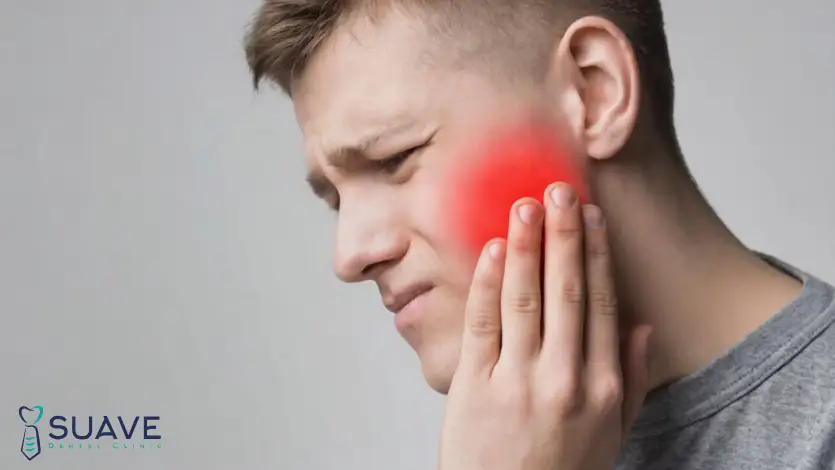
“My teeth hurt all of a sudden, especially when eating or drinking something hot or cold,” and this is one of the most common complaints from patients.
It is also one of the most common signs of tooth sensitivity. If enjoying your favorite hot and cold drinks has turned into a painful experience, your teeth may need a little extra care. Tooth pain and sensitivity are common and treatable.
In this article, we will cover everything you need to know about reasons why teeth hurt suddenly, including their causes, symptoms, and the best treatment options available in the SUAVE clinic.
Teeth pain & sensitivity
Teeth are made up of four main layers: enamel, dentin, pulp, and cementum, which holds the tooth in place.
which usually occurs due to the exposure of the sensitive inner dentin layer after the protective enamel layer has weakened or worn away.
But “The good news is that this problem has an effective solution with proper diagnosis and appropriate treatment.”
This may result from several reasons, which we will discuss below.
Tooth pain VS Tooth sensitivity: how to tell the difference?
Tooth sensitivity, also known as dentin hypersensitivity, is a type of toothache. Here is an explanation of the difference.
| Tooth sensitivity | Toothache (Tooth Pain) | |
|---|---|---|
| Pain type | Short, sharp, sudden (electric shock-like). | Constant, heartbeat-like. |
| Pain start with | Cold, hot, sweet food\drinks. | Suddenly or while chewing. |
| Common Causes | Thinning enamel, gum recession, or recent whitening. | Cavities (Caries), dental abscesses, or tooth trauma. |
| Other symptoms include | none. | May include: headaches, swelling, fever, or bad breath. |
Why do all my teeth suddenly hurt?
There are several reasons why you might experience tooth pain & sensitivity
- Eating a lot of acidic foods: Citrus fruits like lemons, tomatoes, pickles, and tea can wear away the outer layer of your teeth.
- Brushing too hard: Excessive pressure or using a hard-bristled toothbrush can wear down tooth enamel and cause gum shrinkage.
- Cracked teeth: A crack or chip can allow bacteria to enter and irritate the tooth pulp.
- Gum disease: Swollen or infected gums and deep pockets, which cause gingivitis and periodontitis, can expose the roots of your teeth.
- Gum recession: Thin or damaged gums may recede, exposing the sensitive root surface of your tooth.
- Overuse of Mouthwashes: Some mouthwashes contain acids and chemicals that increase tooth sensitivity.
- Plaque buildup: Excessive sticky film of food debris on the teeth near the roots can cause sensitivity and tooth pain.
- Recent dental procedures: Fillings, aggressive cleaning, such as scaling and root curettage, and other treatments can cause temporary tooth sensitivity as they expose the inner tooth structure to the oral environment.
- Bruxism: teeth grinding or clenching can wear down tooth enamel and expose the dentin.
- Teeth whitening products: Some teeth whitening products, such as chemical whitening and whitening strips, can increase tooth sensitivity. Excessive repeated teeth whitening can gradually dissolve the tooth’s protective layer (Enamel) and cause sensitivity to air, cold, and hot beverages. That’s why most of our experts at Suave Clinic recommend dental veneers over extensive repetitive chemical teeth whitening procedures.
- Pulpitis (pulp nerve inflammation occurs when the inner tissues of the tooth become inflamed due to decay or trauma.
- Bad habits like crushing ice with your teeth, drinking too cold or too hot drinks, holding pins, biting hard objects, or opening cans with your teeth can cause severe tooth sensitivity.
- DIY Teeth gems: small decorative crystals that are bonded to the front teeth as teeth jewels. If done wrong, it could damage the enamel structure and cause tooth sensitivity over time.
- Unseen Tooth Decay: tooth caries in the invisible tooth surfaces can start symptomless, then it causes tooth sensitivity, which worsens with time.
When to See a Dentist for Sudden Tooth Pain?
Schedule an appointment if you experience sudden tooth pain when eating or drinking: Cold, Hot, Sweet, especially if it is severe, throbbing, lasts for more than a day or two, or is accompanied by fever, facial swelling.
How to Treat Tooth Sensitivity and Pain?
Sometimes, tooth sensitivity resolves on its own, especially after simple teeth treatments. However, if you experience pain when your teeth come into contact with hot, cold, or sweet foods and drinks, you should have an appointment with the dentist.
They will examine you and suggest the best solution, and here are the Common treatments:
- Dental cleaning: removing the bacterial cause, food debris (plaque), professional cleaning for gingival pocketing, and removal of tartar (teeth calculus)
- Dental fillings: to cover the exposed tooth part after removal of tooth caries and decay.
- Dental sealant: it seals the dentin (inner tooth structure) surfaces to block pain signals, which works for exposed root surfaces that cause teeth sensitivity.
- Fluoride varnish: to strengthen tooth enamel and relieve pain.
- Root Canal Treatment: If the nerve inside your tooth is too inflamed and cannot be saved, a more advanced treatment is needed to remove the infected pulp and relieve the pain (endodontic treatment).
Don’t ignore the pain. Early treatment helps prevent more serious problems.
What Happens If You Don’t Treat Tooth Sensitivity?
Tooth sensitivity may seem like a minor problem at first, but it’s often a sign from your body that there’s an underlying issue that needs attention. If left untreated, it can gradually worsen and may lead to the following:
- Pulp inflammation (Irreversible pulpitis) that causes severe throbbing pain that doesn’t resolve with OTC analgesics
- Tooth infection: as bacteria cause infection in the pulp and surrounding tissues, causing pulp diseases like abscesses and bone fistula.
- Tooth decay
- Gum disease
- Chronic or worsening pain with inability to drink or chew on the affected site.
- Sudden face swelling (facial abscess), gingival swelling, pus oozing out of the tooth and gingiva, or difficulty breathing or swallowing (you should seek immediate medical attention). These symptoms may indicate an infection or a serious problem that requires urgent care.
Daily Oral Care to Avoid Tooth Sensitivity
Daily habits for a healthier smile -recommendations from the Suave Clinic:
- Brushing your teeth at least twice a day and flossing gently every day
- Limiting acidic foods like citrus and pickles
- Visit your dentist regularly for checkups and professional cleanings to keep your teeth healthy.
- Use desensitizing fluoride toothpaste.
- Choose a soft-bristled toothbrush: Gentle brushing prevents further irritation or damage to sensitive teeth and gums.
- Wear a night guard or a mouth guard if you grind your teeth to protect your teeth from wear and reduce sensitivity caused by grinding or clenching.
- Regular dental checkups help in the early discovery of tooth caries and gingival problems before they result in severe dental issues.
Don’t let tooth sensitivity disrupt your daily life. “Suave Clinic” offers a complimentary online consultation to help you understand the cause of your discomfort and determine the most suitable treatment plan for you.
Book your appointment today and get your comfort back
Get A Free Dental Consultation
Get A Personalized Treatment Plan and Quotation

References
Medically Reviewe