Table of Contents
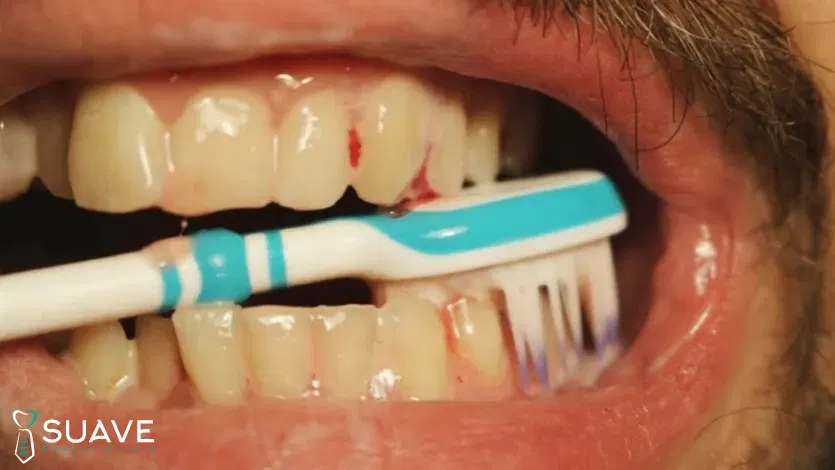
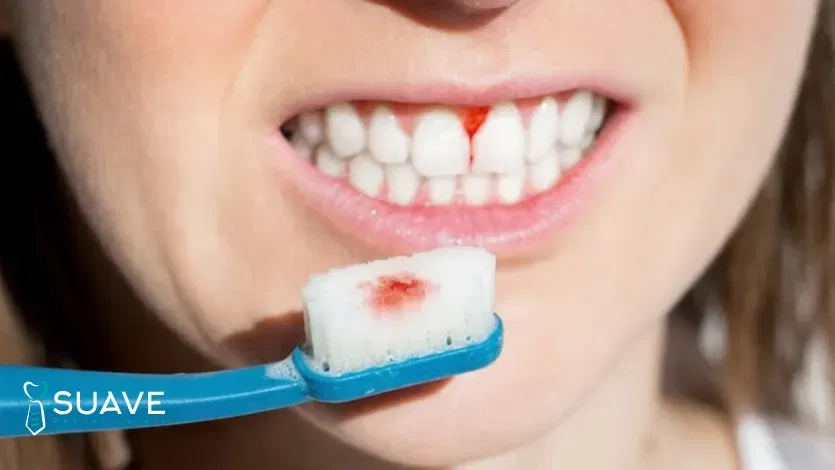
Spitting blood when brushing your teeth is a common situation you may have experienced at least once before, which can lead you to stop taking care of your teeth and worsen your oral health.
Bleeding gums often happen suddenly, without pain. However, it can be a sign of gum inflammation, pockets, poor oral hygiene, or another underlying issue that needs professional treatment.
In this article, we will discuss the main causes of gum bleeding on brushing, when it becomes serious, and available treatment options, along with the protective tips to keep your gums healthy.
Is gum bleeding when brushing normal?
Normal healthy gum has a unique appearance: pink colour, stippling texture like an orange peel, and firm attachment to the teeth surface, creating a scalloping gum line around teeth, and not easily bleeding when brushing.
So it is not normal for gums to bleed on brushing, flossing, eating, or without doing anything. And that gum irritation, redness, swelling, itching, and bleeding are symptoms of what we call “Gingivitis.”
Does bleeding mean stop brushing?
Bleeding gums when you brush your teeth mean that there is gum inflammation (gingival-related) problems, but it doesn’t mean to stop brushing at all.
Brushing your teeth with a soft-bristle toothbrush in circular motions is a way to remove plaque and food debris, and to increase blood flow to promote healing.
That’s why if your gums bleed when you brush your teeth, you should not stop brushing or flossing.
Causes of gums bleeding when brushing?
Although it’s normal to experience gum bleeding after any injury, bleeding gums during brushing isn’t normal and may indicate underlying problems with your teeth or overall health. Here are the main causes:
- Smoking:
Heavy smoking for years reduces blood flow to the gingiva, lowering the immune system, and causing chronic gum infection. Gingiva becomes darker, more fragile, and easily bleeds on brushing and flossing. - Gingivitis: if you neglect oral hygiene (brushing, flossing) for a long time, bacteria and food residues accumulate on your tooth surfaces and within your gums, forming a sticky film on the tooth surface, and this is called plaque, which badly affects and irritates the gingiva with time, leading to red, swollen, and easily bleed gum.
- Improper oral hygiene routine:
Using unsuitable brushing tools, such as a hard-bristled toothbrush or non-dental or unwaxed floss, can cause harm to the gingiva, leading to bleeding.
Wrong brushing technique: Brushing or flossing vigorously or incorrectly can harm the gingiva, causing bleeding.
Neglecting brushing and oral hygiene accelerates gingivitis, periodontitis, and gum diseases - Vitamin deficiency: Deficiency in vitamin C and vitamin K leads to gum inflammation and bleeding, which is why balanced, nutritious food is important.
- Hormonal disturbance: this happened throughout life in both sexes. It’s mostly common during pregnancy (pregnancy gingivitis), menopause, or puberty due to hormonal fluctuations in these periods, making the gums puffy and easily bleed on brushing.
- Uncontrolled diabetes: due to high blood glucose levels, which make patients more prone to gum inflammation and infection.
- Taking certain medications for a long time, such as blood-thinning medication like aspirin or heparin. They negatively affect the blood clotting ability (stop bleeding), resulting in easily bleeding gums with any minor trauma.
- Blood disorders, which include any blood disease such as haemophilia and leukaemia, which negatively affect blood properties, lead to gums bleeding easily.
- Inappropriate dental restorations: If you have an ill-fitting removable denture, sharp-edged prostheses, or orthodontic appliances that press the gingiva too much, they can cause the gums bleed easily.
- Over-filling, or over-contoured restorations in between teeth:
Gingivitis can happen locally if you have a dental filling in the proximal surfaces of a tooth that is over-contoured, like a dental bonding restoration or an amalgam filling.
Even dental crowns and bridges can cause gingivitis when their fitting surface is sharp or over-contoured, which could accumulate food debris around the restorations and cause gum inflammation.
This is preventable when you follow regular check-ups on your teeth and restorations, also when you choose a professional dental clinic for any dental work. Our team in Suave Clinic is an expert in fixing your teeth with homogeneous restorations that blend well with your teeth’s symmetry, perfectly fitting and cemented to your teeth, and keep your gingival attachment healthy.
How to stop gum bleeding immediately?
First thing is to book a dental appointment with the dentist as soon as possible. Then, you can stop bleeding immediately by following these simple steps:
- Rinse with Warm Saline or salty water: its antibacterial effect can reduce bacteria and gum inflammation.
- Rinse with therapeutic mouthwash if needed, which contains active components like fluoride, chlorhexidine, peroxide, and essential oils (menthol, eugenol). They reduce bacterial buildup and also have an anti-inflammatory effect.
If your gingiva is hot and swollen, you can use cold compresses with an ice bag on your cheeks, which is known for its ability to vasoconstrict blood vessels, stop bleeding, and reduce pain temporarily. Apply a cold compress for 20 minutes on and 20 minutes off during the day.
You may find some advice, like rinsing with Hydrogen peroxide. It’s known to for having antiseptic effect, which is risky advice as Hydrogen peroxide can cause further gum irritation and burns if used with a higher concentration.
What if you ignore your gum bleeding?
While bleeding gums seem minor at first, they’re the first sign of gingivitis. Ignoring it isn’t safe, as the case becomes worse with time. It’s happening gradually, starting with:
- Spontaneous gingival bleeding or with any minor fraction, while eating or sleeping.
- Gingiva becomes redder, puffier, and more painful. It may overgrow and cover the tooth crown.
- Deep dental pockets in between teeth, which are painful and can cause root canal infection.
- Periodontitis: Untreated gingivitis leads to infection spreading to the surrounding supportive tissues of the tooth, bone destruction, followed by gum recession, leaving teeth more sensitive
- Mobility of teeth: The bone destruction becomes irreversible, resulting in tooth mobility in the socket due to loss of tooth-supportive tissues
- Bad breath (Halitosis): due to persistent infection, the gingiva may be flooded with pus or exudates, causing bad breath and a bad taste in the mouth.
- Complications of systemic diseases: There is a relationship between untreated gum infection and a higher risk of systemic conditions, such as heart disease or diabetes complications.
Treatments of Gums bleeding when brushing teeth
The treatment starts with a comprehensive medical history and oral diagnosis to eliminate the cause:
- Scaling and polishing (professional dental cleaning): retained food particles, plaque layer, and calculus (tartar) are difficult to be cleansed by simple tooth brushing at home, it needs a more professional cleaning where dentists remove this layer completely with ultrasonic scalers, followed by polishing every tooth surface, leaving it clean, smooth, and shiny.
- Gingival Pocket Curretage: When you have interdental gingival pockets (deep places in the gingiva that trap food and bacteria) should be cleansed by dental curretage and root planning if the bacterial infection is extensive to the roots.
- Medications such as antibiotics or therapeutic mouthwash are used in combination with other treatments for a more efficient cleaning, soothing effect, and control of bacterial accumulation.
- Gum surgery: In severe cases, gum contouring surgery may be required to remove the infected gingival tissue, such as gingivectomy, periodontal surgery, or osseous surgery. They all aim to return gum and supportive tissue structure to normal.
- Tooth extraction: if the teeth surrounded by the affected gum are badly decayed, with no chance for restoration, then extraction is a good treatment option for restoring a healthy gingiva.
- Root Canal Treatment: The treatment plan can include pulp therapy as a result of bacteria spreading to the tooth pulp and causing pulp infection.
In case of gums bleeding due to a systemic condition, you should follow your healthcare provider’s instructions if bleeding is related to any other systemic condition.
Oral hygiene education is the first step in any treatment to keep your teeth clean. Dentists care about educating patients how to brush and floss effectively, using the correct technique and convenient tools to keep a good oral hygiene routine.
Daily Oral Routine to prevent gingival bleeding
The main concept here is to maintain good oral hygiene to prevent dental plaque accumulation on your teeth or gums, as it is the main cause of gum inflammation. By practising an excellent daily oral routine. Including:
- Use a manual or electrical soft-bristle toothbrush with a small head for effective cleaning. Remember to replace your toothbrush every 3 months.
- Brush gently at least twice daily, in a circular movement, 45 degrees, from the gum line to the biting surface of teeth for 2 minutes. Make sure you clean all tooth surfaces.
- Floss daily, especially after meals, using waxed dental floss to enter smoothly between teeth without any hurt to the oral soft tissue.
- Choose a suitable toothpaste that is rich in fluoride with other useful minerals for your teeth’s health.
- In case of having a dental prosthesis, such as crowns or bridges, you need extra cleaning tools, using water floss or interdental brushing.
- Take care of your diet:
- Reduce refined carbohydrates and sugary foods, which encourage bacterial growth and plaque accumulation.
- Focus more on eating food rich in vitamin C and vitamin K for healthy gums.
- Stop any harmful habits, such as smoking, which lowers the immune system and leads to gum disease.
- Drink green tea about 4 cups during the day, as it contains antioxidants that have a proven improvement in periodontal health.
All that we discussed above could help you in preventing gum bleeding. But this doesn’t replace the regular visit to the dentist every 3-6 months for professional cleaning.
Bleeding gums are an important message from your body, telling you there is an abnormality that needs urgent intervention. It is important to notice and treat any simple symptoms that help you avoid more advanced dental problems. That’s why scheduling regular dental check-ups is essential to maintain good oral health.
Get A Free Dental Consultation
Get A Personalized Treatment Plan and Quotation
My Gums Bleed When I Brush FAQs
When should I worry about gum bleeding?
You should worry if the gum is bleeding heavily and continues for more than 10 days without any improvement, despite your attention to your oral hygiene.
Why do my gums bleed when I brush my teeth with braces?
Difficult brushing in the presence of braces, in combination with plaque and food accumulation around braces, leads to gum inflammation and bleeding with improper oral hygiene.

References
Medically Reviewe